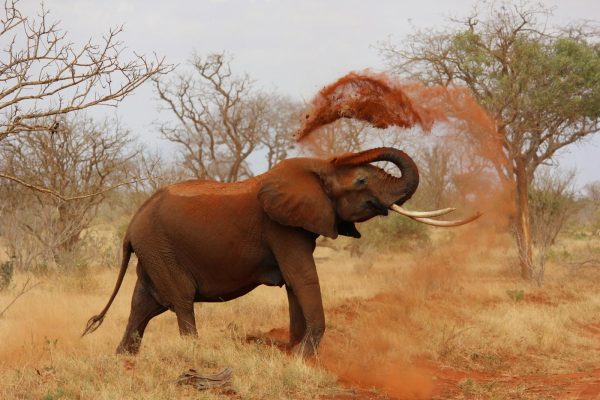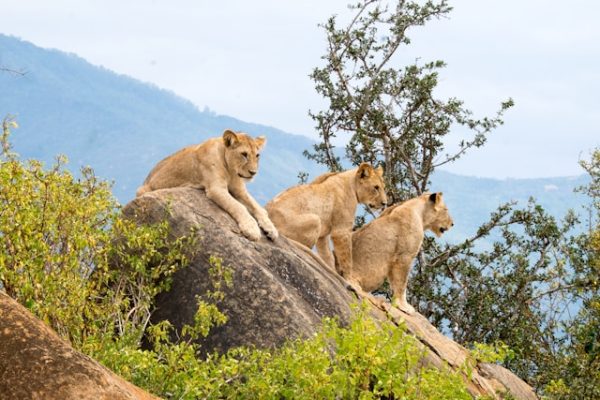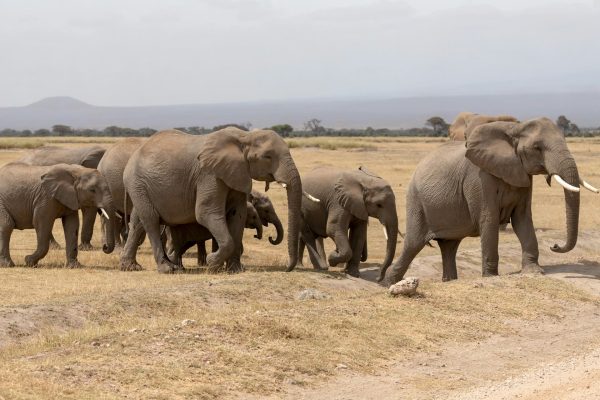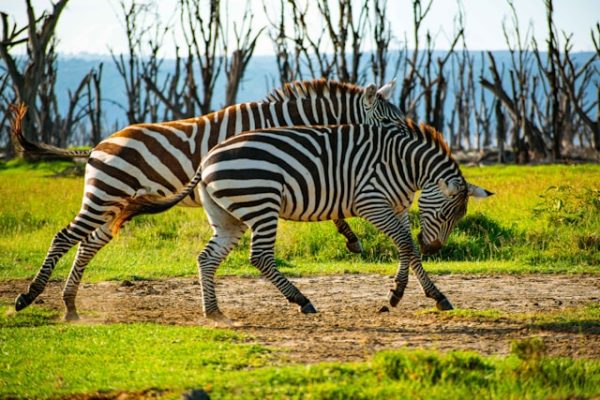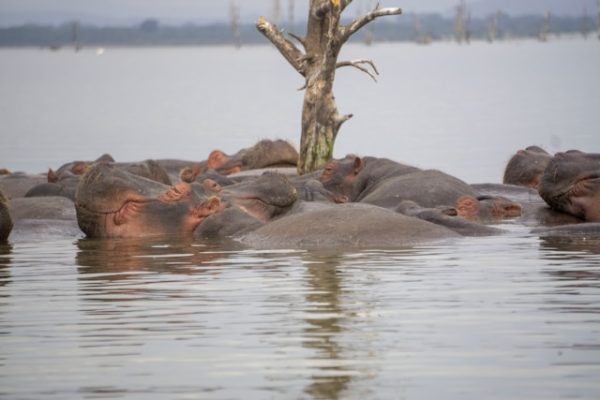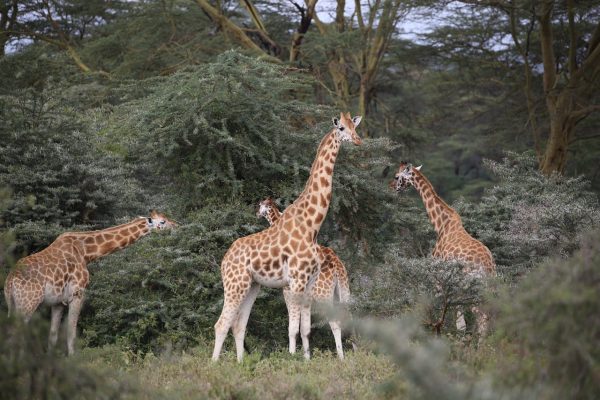

Formed by a massive volcano collapse 2–3 million years ago, it covers roughly 260 square kilometres, and it serves as a UNESCO World Heritage site, offering a unique "natural amphitheatre" with Wildlife Density: The crater hosts over 25,000 large mammals year-round, including lions, elephants, wildebeest, buffalo, and the critically endangered black rhino.
Geological Structure: It is 610 meters (2,000 ft) deep, with a crater rim roughly 2,200–2,400 meters above sea level, providing dramatic views and varied climates between the rim and floor.
The "Big Bowl": Named "Ngorongoro" by the Maasai after the sound of cowbells, it operates as a distinct habitat with forests, swamps, grasslands, and the soda-rich Lake Magadi.
Unique History: The area has been occupied for roughly 1.75 million years, with hominid fossils discovered in the nearby Olduvai Gorge.
Game Viewing: Generally good year-round, but dry season (June–October) offers easier spotting.
Rhino Spotting: Best in the early mornings in the Larai forest.
Necessary for entry, and vehicles may have time limitation due to a high density of wildlife, including the "Big Five."